
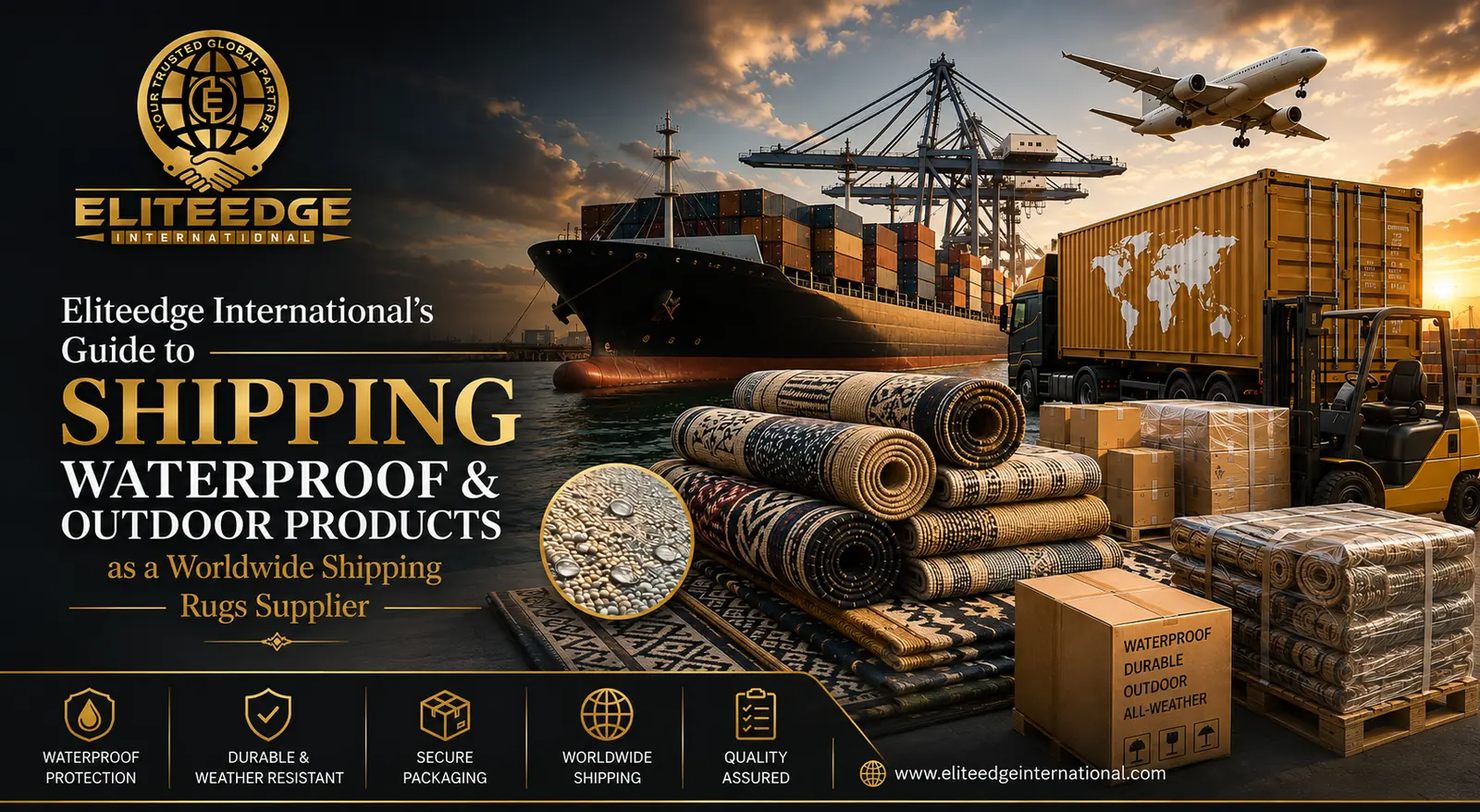
Most shipping advice treats all cargo the same way, focusing on generic topics like documentation, container types, and transit time. Waterproof and outdoor focused products, however, face a specific set of climate and humidity related considerations during international transit that generic shipping guidance rarely addresses in enough detail to actually be useful. A waterproof picnic mats exporter shipping product through multiple climate zones, from humid tropical ports to temperate destination markets, needs to think carefully about how the shipment itself, not just the finished product, holds up to genuinely variable environmental conditions during a multi week voyage. Eliteedge International, based in Jalgaon, Maharashtra, has developed specific packaging and shipping practices around exactly these considerations for its outdoor and picnic focused polypropylene mat range.
This article focuses specifically on the climate and handling considerations relevant to waterproof and outdoor products during international shipping, an area that deserves distinct attention from a genuinely capable worldwide shipping rugs supplier, separate from the more general shipping topics covered elsewhere.
Why Waterproof Products Face Unique Shipping Considerations
It might seem counterintuitive that a waterproof product would need special shipping consideration, since the finished item is specifically designed to resist water exposure during actual use. The consideration here is different: it involves how the product and its packaging behave during transit through varying humidity and temperature conditions, not how the finished product performs once it reaches the end customer’s hands.
Shipping containers travelling through tropical or subtropical regions can experience significant internal condensation as temperatures fluctuate between day and night, even when the cargo itself never comes into direct contact with liquid water. This condensation can affect packaging materials, printed labels, and cardboard cartons, even when the actual polypropylene mats inside remain completely unaffected by the moisture exposure due to their inherent water resistant properties.
Specific Shipping Risks for Outdoor and Waterproof Product Categories
Container Condensation During Long Transit Routes
Long distance sea freight routes, particularly those crossing significant temperature zones, can generate meaningful condensation inside a shipping container as the internal temperature fluctuates with external conditions. While the polypropylene mats themselves resist this moisture without issue, secondary packaging materials such as cardboard cartons can absorb condensation, potentially leading to a compromised, damp appearing carton upon arrival even though the actual product inside remains completely undamaged.
Packaging Material Degradation From Humidity
Extended exposure to high humidity during a long shipping voyage can weaken cardboard packaging over time, even without direct water contact, since cardboard naturally absorbs ambient moisture from humid air. This weakening can affect how well cartons hold their shape during handling and stacking, particularly toward the end of a long multi week voyage through consistently humid conditions.
Label and Printing Degradation
Printed labels, barcodes, and product information on export cartons can degrade when exposed to sustained humidity, potentially affecting readability during customs processing or warehouse receiving at the destination. This is a genuinely practical concern, since illegible or damaged labelling can slow down customs clearance and warehouse processing even when the underlying product inside the carton is in perfect condition.
How a Thoughtful Worldwide Shipping Rugs Supplier Addresses These Considerations
Selecting Packaging Materials Suited to the Shipping Route
Suppliers experienced in shipping to a wide range of climate conditions typically select packaging materials with this variability in mind, sometimes using moisture resistant treated cardboard or additional protective layers for shipments travelling through particularly humid regions or extended transit routes, rather than applying identical packaging regardless of the destination’s climate profile.
Using Desiccant or Moisture Absorbing Materials Where Appropriate
For particularly long or humid transit routes, including desiccant packets or other moisture absorbing materials within the shipping container can help manage internal humidity levels, protecting secondary packaging materials from the worst effects of condensation even though the core product itself does not require this protection.
Timing Shipments to Account for Seasonal Climate Patterns
Some shipping routes experience predictable seasonal variation in humidity and temperature extremes, and a supplier with genuine experience on a specific route can advise buyers on whether a particular time of year presents elevated risk for this kind of packaging related issue, allowing for proactive planning around packaging reinforcement or shipment timing where flexibility exists.
What Buyers Sourcing Waterproof Products Should Ask Their Supplier
Confirming Packaging Approach for the Specific Destination
Buyers should ask their supplier directly what packaging approach will be used for their specific shipping route, particularly for destinations known for high humidity or long transit times, rather than assuming a standard, one size fits all packaging approach applies equally well to every possible destination market.
Asking About Past Experience With Similar Climate Routes
A supplier’s prior experience shipping to climate conditions similar to a buyer’s specific destination offers a meaningful signal about how well they understand and plan for these considerations. Buyers can ask directly whether the supplier has shipped previously to comparable climate zones and what, if any, packaging adjustments were made for those specific shipments.
Clarifying What Happens if Packaging Arrives Compromised
Even with the best planning, packaging can occasionally arrive in less than ideal condition due to humidity exposure during transit, even when the underlying product remains completely fine. Buyers should clarify with their supplier in advance how this kind of situation would be handled, distinguishing between genuine product damage, which represents a real quality issue, and cosmetic packaging degradation that does not affect the actual product inside the carton.
Handling and Storage Considerations Beyond the Voyage Itself
Warehouse Storage Conditions at the Destination
Climate related considerations do not end once a shipment clears customs and arrives at the buyer’s own warehouse. Buyers storing waterproof mat inventory in a facility with its own humidity or temperature challenges, whether that involves a non climate controlled storage unit or a warehouse in a particularly humid regional climate, should apply similar thinking to their own storage practices as a thoughtful supplier applies to export packaging. Stacking cartons in a way that allows some air circulation, avoiding direct contact with concrete floors that can retain moisture, and periodically checking stored inventory for any signs of packaging degradation are all practical steps that extend the same climate awareness beyond the point of import.
Handling During Peak Humidity Seasons
Retailers operating in regions with a distinct humid season should consider whether their own inventory receiving and storage practices need seasonal adjustment, much as their supplier adjusts packaging and shipment timing on the export side. A retailer receiving a shipment during their own local peak humidity season might benefit from more careful, prompt unpacking and inspection compared to a shipment arriving during a drier period, simply because the cumulative humidity exposure across both the shipping voyage and local storage conditions compounds over time.
Communicating Storage Conditions Back to Your Supplier
Buyers who experience recurring packaging related issues, even minor cosmetic ones, should communicate this feedback back to their supplier rather than assuming it is simply an unavoidable cost of doing business. A supplier genuinely committed to continuous improvement, as a strong worldwide shipping rugs supplier should be, can use this kind of specific, recurring feedback to refine packaging choices for future shipments to that particular buyer or region, creating a feedback loop that improves outcomes over successive orders rather than repeating the same avoidable issue indefinitely.
Why This Level of Detail Matters for Long Term Buyer Relationships
Some buyers might reasonably ask whether this level of climate specific detail is genuinely necessary for a relatively low cost product category like polypropylene mats, rather than a more expensive or fragile good. The answer lies in the cumulative effect across a large recurring order volume rather than any single shipment in isolation. A packaging issue affecting even a small percentage of units across a large bulk order, repeated across multiple shipments over a full year of ordering, adds up to a meaningful cumulative cost in returns, customer complaints, and wasted product, even when each individual incident seems minor on its own.
Buyers who take the time to have this kind of detailed conversation upfront, rather than discovering these considerations reactively after a problematic shipment arrives, tend to build smoother, more predictable long term relationships with their supplier. This proactive approach reflects the same underlying principle found throughout responsible sourcing more broadly: addressing foreseeable risks in advance through clear communication is almost always more efficient than resolving the same issues reactively after they have already caused a tangible problem for the buyer’s business.
Route Specific Considerations Buyers Should Understand
Equatorial and Tropical Routes
Shipping routes passing through or originating near equatorial regions typically experience consistently high humidity year round, with less dramatic seasonal variation than routes further from the equator. Buyers sourcing for destinations along these routes should assume elevated humidity exposure as a baseline expectation rather than an occasional risk, and should discuss packaging reinforcement accordingly with their supplier from the outset of the relationship.
Routes Crossing Multiple Climate Zones
Shipments travelling long distances often pass through several distinct climate zones during a single voyage, meaning the cargo experiences genuinely variable conditions rather than a single consistent environment throughout transit. This variability, moving from one humidity and temperature profile to another over the course of several weeks, is precisely what drives the condensation risk discussed earlier, since it is the transition between conditions, not a single static environment, that tends to generate the most significant internal moisture buildup within a sealed container.
Seasonal Timing Within a Single Route
Even a single consistent shipping route can carry meaningfully different risk profiles depending on the time of year a shipment departs, since monsoon seasons, temperature extremes, and storm patterns vary predictably across different months in many regions. Buyers with some flexibility in their shipment timing may benefit from discussing seasonal risk patterns with their supplier, potentially avoiding the highest risk windows for their specific route where business timelines allow this kind of flexibility.
Working With Eliteedge International on Climate Aware Shipping
Buyers sourcing from the waterproof picnic mats exporter range at Eliteedge International can discuss their specific destination climate directly with the team, requesting information on packaging approaches suited to their particular shipping route. This kind of destination specific conversation helps ensure that both the product and its packaging arrive in the best possible condition, regardless of the climate conditions encountered along the way.
Buyers evaluating Eliteedge International as a worldwide shipping rugs supplier for their outdoor product range should raise these climate specific questions as part of their standard supplier evaluation process, treating this as a legitimate and useful area of technical due diligence rather than an obscure or unnecessary line of questioning.
Conclusion
Waterproof and outdoor focused products face shipping considerations that go beyond generic international trade guidance, specifically around how packaging materials, rather than the products themselves, hold up to humidity and temperature variation during long distance transit. A genuinely capable worldwide shipping rugs supplier plans for these considerations proactively, selecting appropriate packaging materials and understanding the specific climate challenges associated with different shipping routes, rather than applying identical practices regardless of destination.
If your business is sourcing waterproof or outdoor mats and wants a supplier who understands the specific shipping considerations relevant to your destination market, reach out to Eliteedge International to discuss your route and packaging requirements.
Frequently Asked Questions
1. Does humidity during shipping actually damage waterproof polypropylene mats?
Generally no, since polypropylene resists moisture absorption by nature. The greater risk involves secondary packaging materials such as cardboard cartons, which can be affected by condensation and humidity even though the actual mat inside remains unaffected by the same conditions.
2. What is container condensation and why does it happen?
Container condensation occurs when temperature fluctuations between day and night cause moisture in the air inside a shipping container to condense on interior surfaces, a common occurrence on long distance sea freight routes crossing significant temperature zones.
3. Should buyers request special packaging for shipments to humid destinations?
Buyers shipping to destinations known for high humidity or long transit times should discuss packaging options directly with their supplier, since moisture resistant treated cardboard or additional protective layers may be appropriate depending on the specific route and conditions involved.
4. What should buyers do if packaging arrives damaged but the product is fine?
Buyers should document the condition with photographs and discuss the situation with their supplier, distinguishing clearly between cosmetic packaging degradation, which does not affect the product itself, and genuine product damage, which represents a real quality concern requiring resolution.
5. Do all shipping routes carry the same humidity related risk?
No, risk varies considerably by route, season, and transit duration. Suppliers with experience on a specific route can advise buyers on the relative risk profile for their particular destination and time of year based on prior shipping experience along that corridor.
6. Can desiccant packets fully prevent condensation issues during shipping?
Desiccant and moisture absorbing materials help manage humidity levels within a container but cannot completely eliminate all risk of condensation on particularly long or challenging routes. They represent a helpful mitigation measure rather than a complete guarantee against any humidity related packaging effects.
7. Does packaging degradation affect customs clearance at the destination?
Significantly degraded labelling or packaging can occasionally slow customs processing if barcodes or product information become difficult to read, which is one practical reason suppliers pay attention to packaging durability even for products where the core material itself is unaffected by moisture.
8. How can buyers evaluate a supplier’s experience with climate specific shipping challenges?
Buyers can ask directly about a supplier’s prior shipping experience to climate conditions similar to their own destination, and what packaging adjustments, if any, were made for those previous shipments, using the specificity of the response as an indicator of genuine relevant experience.