
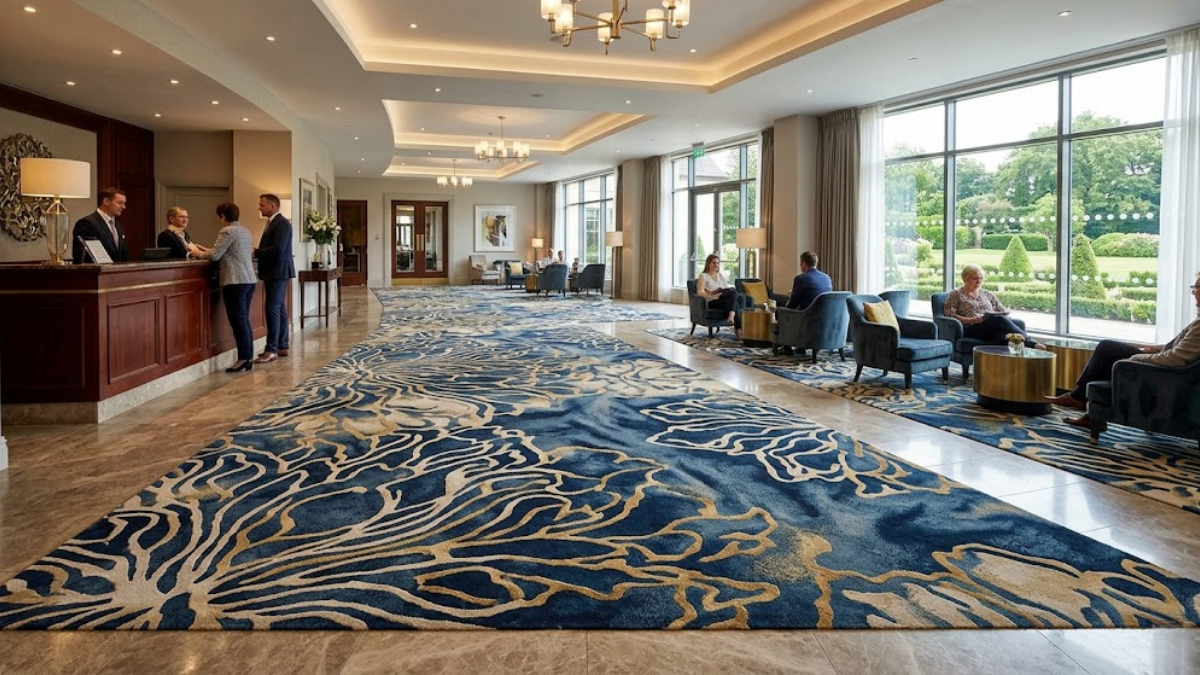
Carpets are far more than just floor coverings—they are a foundational element of interior design that silently shapes how a space looks, feels, and is experienced. In homes, hotels, offices, showrooms, and commercial spaces, carpet quality plays a crucial role in defining luxury, comfort, and overall perception.
A well-chosen carpet can elevate even a simple interior into something premium, while a poor-quality carpet can downgrade the appearance of an otherwise well-designed space. This is why designers and businesses increasingly focus on carpet quality as a key investment, not just a decorative choice.
The Role of Carpet in Interior Aesthetics
Interior aesthetics depend on harmony—colors, textures, lighting, and materials working together. Among all these elements, carpets act as the visual base that connects everything.
A high-quality carpet enhances this harmony by adding depth, richness, and elegance to the space. Its texture reflects light in a balanced way, its colors remain consistent, and its surface finish looks refined and smooth. This creates a sense of visual completeness, where the entire room feels thoughtfully designed.
On the other hand, low-quality carpets often break this harmony. Uneven textures, dull colors, and poor finishing can make interiors feel incomplete or cheap, even if expensive furniture and decor are present. This shows how powerful flooring is in shaping first impressions.
Texture and Comfort: The Invisible Luxury Factor
One of the most important aspects of carpet quality is texture. People may not consciously analyze it, but they always feel it.
Premium carpets offer a soft, dense, and smooth surface underfoot. This creates an immediate sense of comfort and warmth. It enhances walking experience, reduces fatigue, and gives a subtle feeling of luxury.
In contrast, low-quality carpets may feel rough, thin, or inconsistent. Over time, they lose softness and become uncomfortable, affecting the overall experience of the space. Since humans are highly sensitive to touch and comfort, this difference significantly impacts emotional response.
Durability and Long-Term Visual Appeal
A key difference between premium and low-quality carpets is how they age.
High-quality carpets are designed to maintain their appearance for years. They resist fading, retain their shape, and maintain fiber strength even in high-traffic areas. This ensures that the interior continues to look fresh, clean, and premium over time.
Low-quality carpets, however, deteriorate quickly. They develop visible wear patterns, lose color vibrancy, flatten in texture, and collect stains more easily. This not only affects aesthetics but also increases maintenance costs and reduces the lifespan of the interior design.
In professional spaces, this long-term consistency is extremely important because it directly reflects on brand image and reliability.
Customer Experience and Emotional Impact
Carpets have a strong psychological influence on how people experience a space.
In commercial environments such as hotels, offices, and retail stores, a premium carpet creates a welcoming and comfortable atmosphere. It makes visitors feel relaxed, valued, and more willing to stay longer. This subtle emotional comfort can positively influence customer behavior and satisfaction.
A well-designed carpet also contributes to a sense of trust. When customers enter a space that feels clean, soft, and well-maintained, they naturally associate it with professionalism and quality service.
On the contrary, worn-out or low-quality carpets can create an unconscious sense of discomfort or neglect, even if other aspects of the business are strong. This shows how flooring quietly influences perception and decision-making.
Sound Control and Environmental Comfort
Another important but often overlooked benefit of high-quality carpets is sound absorption.
Premium carpets reduce noise levels by absorbing footsteps, echoes, and background sounds. This creates a quieter, more peaceful environment, which is especially important in offices, hotels, hospitals, and luxury residences.
A quieter space improves focus, reduces stress, and enhances overall comfort. This acoustic benefit adds another layer to customer experience, making interiors feel more controlled and premium.
Carpet Quality as a Reflection of Brand Identity
In commercial spaces, interior design is not just decoration—it is branding. Every detail contributes to how a brand is perceived, and carpets play a major role in this visual identity.
High-quality carpets support brand image by maintaining consistent color tones, clean patterns, and a polished finish. They communicate professionalism, attention to detail, and long-term thinking.
When customers walk into a space with premium flooring, they subconsciously associate the brand with quality and trustworthiness. This is especially important in industries like hospitality, retail, corporate offices, and luxury services.
Poor-quality carpets, on the other hand, can weaken brand perception. Fading colors, visible wear, and lack of maintenance can make even a strong brand appear less reliable.
Practical Value: Hygiene, Maintenance, and Safety
Beyond aesthetics and perception, carpet quality also affects practical usage.
High-quality carpets are easier to maintain, more resistant to dust, and better at handling stains. This helps keep interiors cleaner and more hygienic with less effort. In busy environments, this reduces maintenance costs and improves long-term usability.
They also provide better safety by offering grip and reducing slip risks, especially in high-traffic areas. This makes them suitable for both residential and commercial spaces where safety and comfort are priorities.
The Long-Term Value of Investing in Quality Carpets
While premium carpets may require a higher initial investment, their long-term benefits far outweigh the cost. They last longer, maintain their appearance, reduce maintenance expenses, and continuously enhance interior value.
More importantly, they contribute to better customer experiences, stronger brand perception, and a more comfortable environment. In both residential and commercial design, this makes them a strategic investment rather than a simple purchase.
Conclusion
Carpet quality is one of the most influential yet underrated elements in interior design. It shapes visual aesthetics, enhances comfort, improves acoustics, and directly impacts customer experience.
A high-quality carpet does not just complete an interior—it transforms it. It adds depth, emotion, and identity to a space, making it feel truly premium and thoughtfully designed.
In modern interiors, where experience matters as much as appearance, choosing the right carpet quality is not optional—it is essential for creating lasting impressions and meaningful spaces.