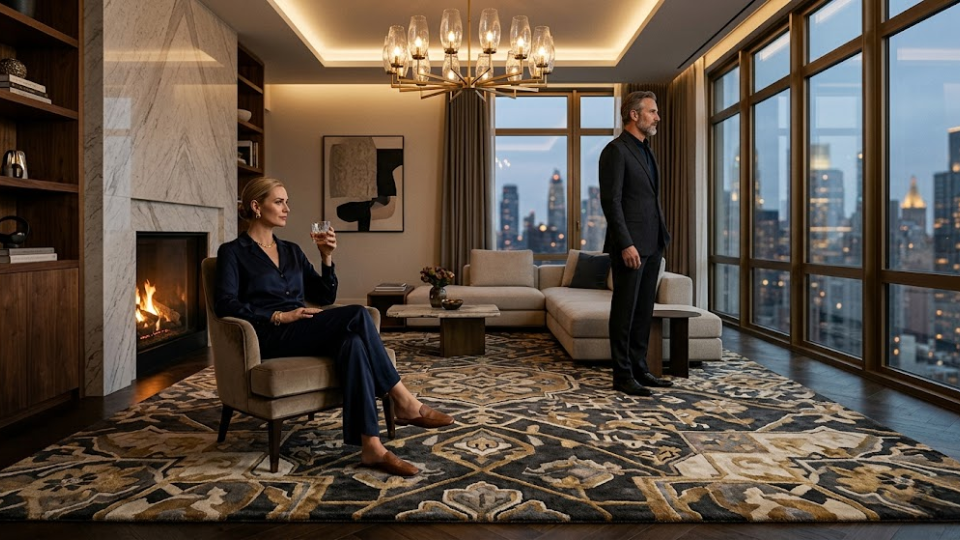
Luxury is not defined by what is seen alone—it is defined by what is felt. In the world of premium interiors, carpets play a silent yet powerful role in shaping that feeling. The moment someone steps into a space, the softness underfoot, the warmth in the room, the subtle absorption of sound, and the harmony of design all come together to create an experience. A truly luxurious carpet does not demand attention loudly; instead, it elevates everything around it with quiet confidence.
Choosing the perfect carpet, therefore, is not a simple purchase—it is a thoughtful process that blends design, functionality, material science, and emotional impact. Whether it is for a high-end residence, a corporate workspace, or a grand hotel, the decision must align with both aesthetic vision and practical needs.
The Essence of Luxury in Carpets
Luxury carpets are about depth—depth in texture, in craftsmanship, and in character. Unlike ordinary flooring, they add layers to a space. They soften harsh architecture, enhance acoustics, and introduce a tactile richness that cannot be achieved with marble, tiles, or wood alone.
In a luxury home, a carpet often becomes a personal statement. It reflects taste, lifestyle, and comfort preferences. In an office, it communicates professionalism, attention to detail, and brand identity. In a hotel, it becomes part of the guest experience—subtle, but unforgettable.
The Foundation: Understanding Materials
Every great carpet begins with its material. This is the soul of the product, determining not only how it looks but how it performs over time.
Natural materials like wool and silk have long been associated with true luxury. Wool carpets, for instance, are known for their resilience and softness. They adapt well to temperature changes, making them comfortable in all seasons. Silk, on the other hand, introduces a luminous quality—its delicate sheen catches light in a way that instantly elevates the elegance of a room. These materials are often chosen in spaces where visual richness and comfort are prioritized over heavy usage.
However, modern luxury also embraces innovation. Synthetic fibers such as nylon and polyester offer remarkable durability while maintaining aesthetic appeal. In high-traffic areas like office corridors or hotel lobbies, these materials provide a balance between longevity and style. They resist wear, maintain color vibrancy, and require less intensive maintenance, making them practical without compromising sophistication.
Texture and Construction: The Hidden Design Language
Beyond material, the way a carpet is constructed plays a crucial role in its overall impact. Texture is what people feel, but it is also what they subconsciously perceive.
Soft, plush carpets create a sense of intimacy and relaxation. They are ideal for bedrooms, lounges, and private suites where comfort is paramount. In contrast, looped or low-pile carpets offer a cleaner and more structured appearance. These are often used in offices and public spaces where durability and ease of movement are essential.
There are also hybrid constructions that combine cut and loop techniques to create patterns and textures. These carpets are particularly popular in luxury hotels, where design storytelling is important. The floor itself becomes part of the visual narrative, guiding guests through spaces without them even realizing it.
Designing for Different Environments
No single carpet can serve all purposes. The key to perfection lies in understanding the environment in which it will be used.
Luxury Homes
In a home, the carpet must align with the lifestyle of its residents. It should feel inviting, warm, and personal. Soft textures often dominate, especially in bedrooms and living areas. Colors tend to be balanced—neutral tones for timeless elegance or rich hues for a bold, artistic statement.
A well-chosen carpet in a home does more than decorate; it anchors the space. It connects furniture, defines zones, and enhances the overall harmony of the interior.
Corporate Offices
Offices require a different approach. Here, the carpet must perform under constant use while maintaining a professional appearance. It should absorb sound to reduce noise levels, contributing to a more focused and productive environment.
Designs are usually subtle, avoiding overly bold patterns. Instead, they rely on texture and muted tones to create sophistication. Durability becomes a primary concern, as the carpet must withstand heavy foot traffic without showing signs of wear too quickly.
Luxury Hotels
Hotels present the most demanding scenario. Carpets in these spaces must achieve a delicate balance—they need to impress visually while enduring continuous use.
In hotel lobbies, carpets often make a grand first impression. They may feature intricate designs, custom patterns, or bold statements that reflect the brand identity. In corridors, functionality becomes more important. Patterns are carefully chosen to hide wear and maintain a clean look over time.
Guest rooms, however, return to the essence of comfort. Here, carpets are softer, warmer, and more inviting, ensuring that guests feel relaxed and at home.
The Power of Color and Pattern
Color in carpets is not just a design choice—it is an emotional tool. It influences how a space feels and how people behave within it.
Light-colored carpets can make a room feel larger and more open, often used in luxury homes to create a sense of calm and elegance. Darker tones add depth and richness, bringing a sense of intimacy and sophistication.
Patterns introduce personality. In high-traffic areas, they serve a practical purpose by masking dirt and wear. In more private spaces, they can act as artistic elements, transforming the carpet into a focal point.
The key is balance. A carpet should complement the room, not overpower it. True luxury lies in harmony.
Comfort vs Practicality: Finding the Balance
One of the most common mistakes in carpet selection is focusing too much on either comfort or practicality, rather than balancing both.
High-pile carpets offer unmatched softness, but they may not be suitable for areas with heavy movement. Low-pile carpets are easier to maintain and more durable, but they may lack the plush feel associated with luxury.
The perfect choice depends on the purpose of the space. Bedrooms and private areas can prioritize comfort, while offices and public zones must lean towards durability.
Sustainability: The Modern Definition of Luxury
Today, luxury is evolving. It is no longer just about appearance—it is also about responsibility. Sustainable carpets are becoming increasingly important in high-end projects.
Eco-friendly materials, low-emission manufacturing processes, and ethical sourcing are now key considerations. These choices not only benefit the environment but also improve indoor air quality, creating healthier living and working spaces.
For many designers and buyers, sustainability is no longer optional—it is a defining feature of modern luxury.
Maintenance: Preserving the Experience
A carpet, no matter how luxurious, requires care to maintain its beauty. Regular cleaning, proper handling of spills, and periodic deep maintenance are essential.
In homes, this ensures longevity and continued comfort. In offices and hotels, it protects the investment and maintains the brand image. A well-maintained carpet continues to deliver the same experience years after installation.
Conclusion: Where Design Meets Experience
Choosing the perfect carpet is not about following trends—it is about understanding the story you want your space to tell. It is about creating an environment that feels complete, where every element works together seamlessly.
In luxury homes, carpets bring warmth and personality. In offices, they create professionalism and focus. In hotels, they shape the guest experience in subtle but powerful ways.
Ultimately, the perfect carpet is one that disappears into the space while enhancing everything within it. It does not demand attention, yet it defines the room. It is not just a product—it is an experience woven into every step.