The global carpet and rug market is undergoing a seismic shift, projected to reach a valuation of $344.2 billion by late 2026. This evolution is driven by a sophisticated international buyer who no longer views a carpet as a mere floor covering, but as a primary architectural element.
For the premium market, the "perfect carpet" in 2026 is defined by three pillars: environmental transparency, tactile psychology, and biophilic immersion.
The Era of Earth-Rooted Luxury
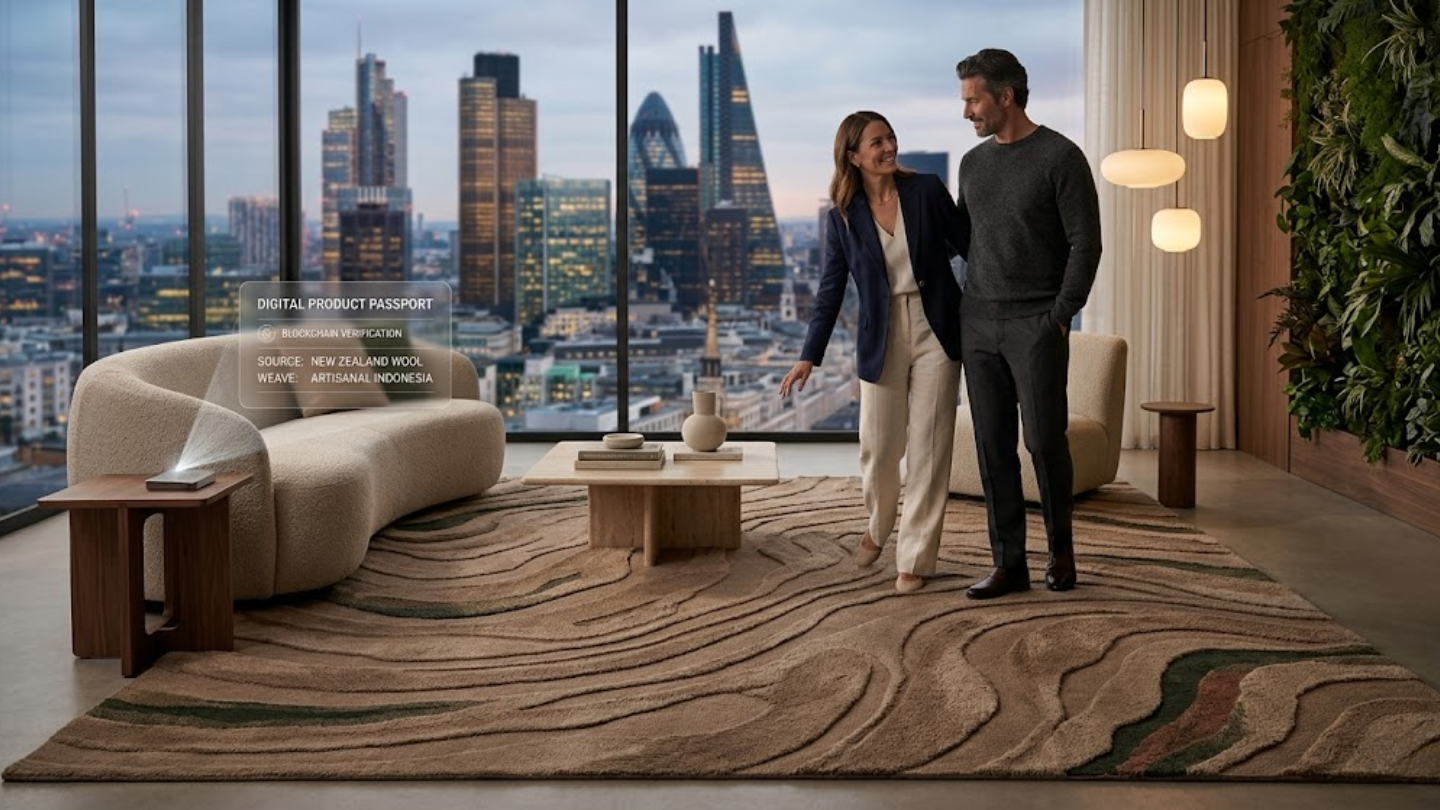
Sustainability has graduated from a marketing buzzword to a non-negotiable prerequisite. High-end international buyers are now demanding Digital Product Passports—blockchain-verified data that tracks a carpet’s journey from the sheep or the plant to the final weave.
In terms of materials, 2026 is the year of undiluted nature. There is a massive surge in demand for 100% undyed wool, organic jute, and high-performance hemp blends. For the ultra-luxury segment, bamboo silk and regenerated cellulose fibers that mimic the luster of traditional silk are the preferred choice for master suites and executive lounges. These materials aren't just eco-friendly; they offer a "non-toxic luxury" that ensures indoor air quality, a major selling point in the health-conscious Asian and European markets.
The 2026 Palette: Grounded and Immersive
The industrial, sterile grays of the past decade have been replaced by a "New Earth" palette. Designers are leaning into colors that feel stable and rooted.
The Cornerstone: Earth-Rooted Taupe has emerged as the definitive color of the year. It is a warm-toned neutral with subtle pink or green undertones that changes character based on the time of day.
Mineral Accents: Buyers are moving away from loud, synthetic prints toward deep, saturated jewel tones that feel found in nature—think Smoked Navy, Forest Shadow Green, and Terracotta Blush.
Digital Wellness: A unique trend for 2026 is Digital Lavender, a soft, futuristic lilac-gray that bridges the gap between our digital lives and the need for a tranquil home sanctuary.
Tactile Architecture: Texture is the New Pattern
In the premium sector, the visual pattern is often secondary to the physical feel. International designers are using 3D sculptural surfaces to create what is being called "Barefoot Luxury."
High-Low Piles: By utilizing varying heights of yarn, manufacturers are creating "ghost patterns" that only reveal themselves through shadows and light.
Structured Weaves: Herringbone and honeycomb patterns are no longer just for hardwood. Chunky bouclés and intricate loop piles are providing a structured, architectural feel to minimalist penthouses.
The Wabi-Sabi Aesthetic: Buyers are increasingly seeking "Hand-Knotted Imperfections." There is a high premium on rugs that show the "hand of the maker," where subtle irregularities in the weave prove artisanal craftsmanship over mass production.
Global Market Dynamics
While the US and UK markets remain stable, focusing heavily on sustainable retrofitting and durable investments, the real growth is in the East. India and China are seeing growth rates of 6.7% to 7.0%, fueled by massive luxury residential developments. In these regions, "Statement Luxury" is the trend—oversized custom rugs with high-sheen finishes and biomorphic, irregular edges that break away from traditional rectangular constraints.
For the international buyer in 2026, the floor is the foundation of a lifestyle. They are looking for pieces that offer Durable Elegance: carpets that handle high-traffic modern life without losing the plush, sensory appeal of a high-end gallery piece.